Quantifying the Impacts of Proposition 1
Proposition 1: The Veterans and Affordable Housing Bond Act of 2026
California is the fourth-largest economy in the world, yet the lack of housing affordability remains a persistent challenge and a major driver of the state’s high poverty rate.1 Not coincidentally, the state invests only a tiny fraction of its budget in creating more affordable housing. Between 2019 and 2024, California invested an average of only 0.8 percent of the annual state budget to affordable housing.2
This November, California voters can significantly accelerate progress towards housing affordability by approving Proposition 1 and fast tracking more than 40,000 shovel-ready affordable rental homes and help 20,000 California households realize their dream of affordable homeownership. Proposition 1 will invest $11.25 billion into housing and put affordable homes within reach for working families and essential workers, from teachers and nurses to firefighters, and open the door to homeownership to first-time buyers. It will also build and preserve homes for Californians hit hardest by the housing crisis, including veterans and their families, people with disabilities, farmworkers, college students, foster youth, and seniors on fixed incomes.
Increasing Affordable Rental Homes
Proposition 1 will invest $11.25 billion to make housing more affordable across California, including $5.1 billion for the Multifamily Housing Program (MHP) to build and rehabilitate 21,000 affordable rental homes for veterans, families and seniors, and $1.15 billion to create more than 3,500 affordable homes for Californians experiencing or at risk of homelessness. With more than half (54%) of renter households spending over 30% of their income on rent, these investments will expand the supply of rental homes that Californians can afford.
Putting Homeownership Within Reach for Veterans and First Time Homebuyers
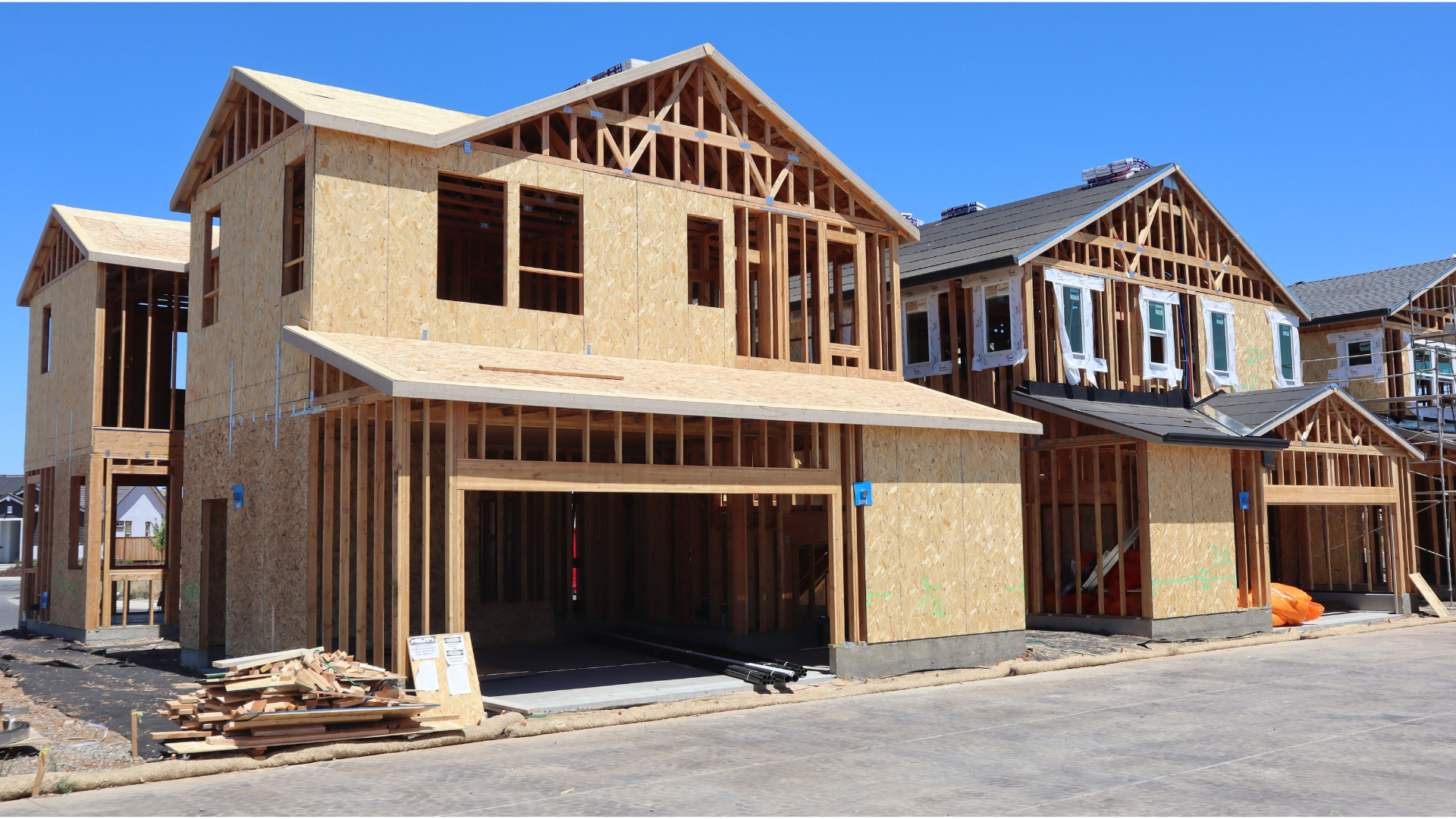
At a time when only 19 percent of California households can afford the state’s median-priced home,3 Proposition 1 will put homeownership, and the stability and opportunity it provides, within reach for more Californians, especially veterans. Proposition 1 will do this by investing $1.25 billion in the CalVet program to expand homeownership for 3,700 veterans, $600 million to help 3,000 lower-income households build and own new homes through CalHome, and $500 million to assist 16,000 families buy their own homes using downpayment assistance through MyHome.
Fighting Displacement
Proposition 1 will also make a major investment in preserving 3,200 affordable homes and preventing displacement of the low-income families and seniors who live there It will do this by investing $750 million in the Portfolio Reinvestment Program (PRP) to rehabilitate aging affordable housing, making critical repairs and improvements and another $200 million to establish a new Community Anti-Displacement and Preservation Program (CAPP) to protect existing residents from displacement by speculative investors buying up older apartment buildings.
Assisting Rural and Tribal Communities
Proposition 1 will also fund housing solutions for 2,500 farmworker families and members of California’s tribal communities in need. It will do this by investing $450 million in the Joe Serna, Jr. Farmworker Housing Grant Program (FWHG) to build and improve affordable homes for agricultural workers and their families, and $200 million for the Tribal Housing Grant Program (THGP) to address housing needs in California’s Tribal communities.
Helping Governments Pay for Housing Infrastructure
Prop 1 provides another $500 million for the Infill Infrastructure Grant Program (IIG) to fund the creation of the streets, utilities, and infrastructure needed to unlock new development in our communities. Another $200 million will be invested in the Local Housing Trust Fund (LHTF) Matching Grant Program to match locally raised housing dollars, allowing communities to leverage state funds for innovative solutions tailored to local needs.

Making College More Affordable Through Student Housing
Finally, Prop 1 will also provide $350 million through the Higher Education Student Housing Grant Program (HESHGP) to create 1,400 affordable student homes. Homes funded through this program will remain affordable in perpetuity, benefiting an estimated 40,000 students over the next 55 years, with generations more in the future.
Making Every State Dollar Go Further
Affordable housing is financed through multiple funding sources, and the state bond pays a fraction of the cost of each home. Among developments receiving Low-Income Housing Tax Credits and bond investments between 2019 and 2025, state bond funding contributed an average of about $117,500 per affordable home, just 19% of total development costs. By comparison, approximately 58% came from private financing, 12% from local and regional sources, and the remaining 11% from other sources. In this way, state bond funding serves as a catalyst, unlocking substantially more public and private investment to get affordable homes built.
Reaching More Than 1.4 Million Californians
The impact of Proposition 1 will extend beyond the homes it builds and preserves. Over the next 55 years, more than 500,000 households, or 1.4 million Californians, are expected to benefit from affordable homes created and preserved through the measure, equivalent to roughly four percent of California’s current population.
Delivering $13 Billion in Rent Savings for Californians
Proposition 1 will help families keep more of what they earn. By building homes with rents well below market prices, the measure is expected to save California households nearly $500 million in rent each year once the housing is built. Over 55 years, these savings are valued at an estimated $13.2 billion, more than the bond’s $11.25 billion upfront investment. In other words, the rent savings alone are expected to exceed the bond’s total investment, even before accounting for broader economic and community benefits.
Improving California’s Future by Increasing Jobs, Wages, and Resiliency
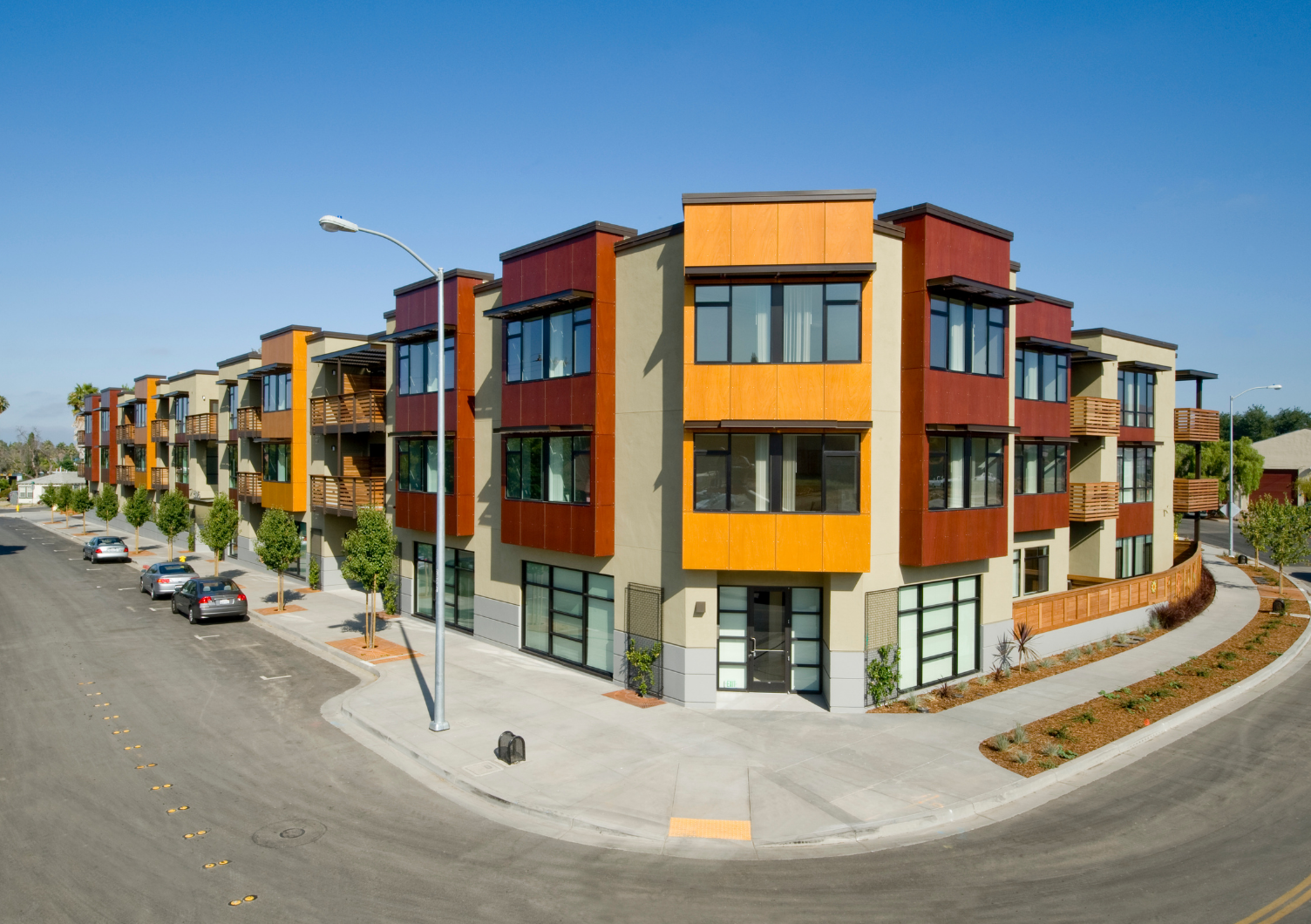
These investments will ripple through California’s economy. These homes are expected to create more than 29,000 jobs and support approximately $1 billion in wages, salaries, and business income, while generating an estimated $300 million in annual state and local tax revenue. By helping more Californians afford to live near jobs, schools, and transit, Proposition 1 will reduce emissions, improve health outcomes, and build stronger communities.
Proposition 1 is a lasting investment in California’s future. With more than 40,000 affordable homes ready to move forward, it will put resources to work now, expand opportunities for homeownership, and strengthen communities across the state. The benefits will last for generations, helping more Californians afford to build their lives and futures here.
Jessica Hitchcock
Managing Director, Research
California Housing Partnership
Matt Alvarez-Nissen
Research Manager
California Housing Partnership
Lisa Tran
Equity Policy Research Fellow
California Housing Partnership
For questions about Proposition 1 impacts, please contact Jessica Hitchcock, CHP Research Director, at jhitchcock(at)calhousingpartnership(dot)org
Notes
(1) Public Policy Institute of California (PPIC), “California’s High Housing Costs Increase Poverty,” August 13, 2021.
(2) Annual state funding includes ongoing housing resources authorized through the state budget or permanent state law, including General Fund appropriations, dedicated special funds (such as SB 2), revolving housing funds, and the state Low-Income Housing Tax Credit.
(3) California Association of REALTORS, California Housing Affordability Retreated in the Second Quarter After Reaching a Four-Year High in Early 2026, August 5, 2026.
Images
(1) D Goug / Pexels via Canva. (2) filmstudio / Getty Images Signature via Canva. (3) Alacatr / Getty Images Signature via Canva.